 sherom
Direct answer
Sherom supports parts and accessories stores with a catalog, inventory, supplier purchases and counter sales. Its WhatsApp assistant uses recorded prices and availability. You do not need to perform repairs: product sales are recorded at the counter, while services remain separate from stocked items.
EXPLORE THE WORKFLOW
From catalog to a useful answer
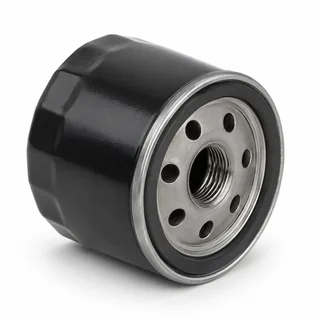 Oil filterRecorded price and stock
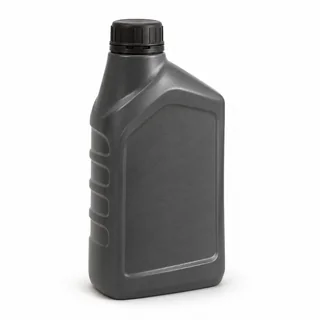 Motor oilRecorded price and stock
Fictional data explaining the workflow. This example sends no messages, creates no work orders and processes no payments.
A part’s journey
- Create a product with a useful name, a price when known and verified stock.
- Record purchases to maintain incoming stock and cost.
- Counter sales record the sale and its inventory movement.
What to answer on WhatsApp
A customer can ask about a filter, oil or tire. The assistant uses your catalog, not a universal fitment database. Include known sizes and references in names, and leave uncertain compatibility to a person.
Start without counting the whole store
Start with best sellers or keep suggestions inactive. Codes and minimum stock are optional; minimum stock helps identify when to restock. A default zero is not a physical stock count: verify stock before promising availability.
PUT IT TO WORK
Counter sales and customer service using the same data
- Products, services and stock in your business catalog.
- Counter sales, supplier purchases and payables tracking.
- Card payments through a supported gateway in your country or configured bank transfer.
Frequently asked questions
Does it include a universal fitment catalog?
No. Sherom uses your catalog’s products and references. Your team confirms technical fitment.
Can I sell parts and perform repairs?
Yes. Use counter sales and work orders in the same business, keeping products and services distinct.